
Anna Somfai
Courses and workshops
All courses are available onsite in Budapest or online via Zoom. They have semester-long (12 weeks), short course (4 weeks) and workshop (1-2-3-4 days or half days) formats. They are offered in English and in Hungarian.
Medieval codicology

The course provides familiarity with the medieval manuscript book, the object that transmitted classical and medieval texts and images. It discusses the physical production of manuscripts (preparation of parchment and paper, ruling, writing, illuminating, binding), the archaeology of the manuscript folio (the textual and pictorial elements of the various layers of its central and marginal space), and the context of diverse scholarly communities (monastery, cathedral school, University) and social setups within which codices were produced and used. The course also provides some instruction in textual criticism and manuscript description and discusses the tools and practices of manuscript research and the use of online resources. The course is available both in person and online (real time, fully interactive and held via Zoom).
Latin palaeography book hand
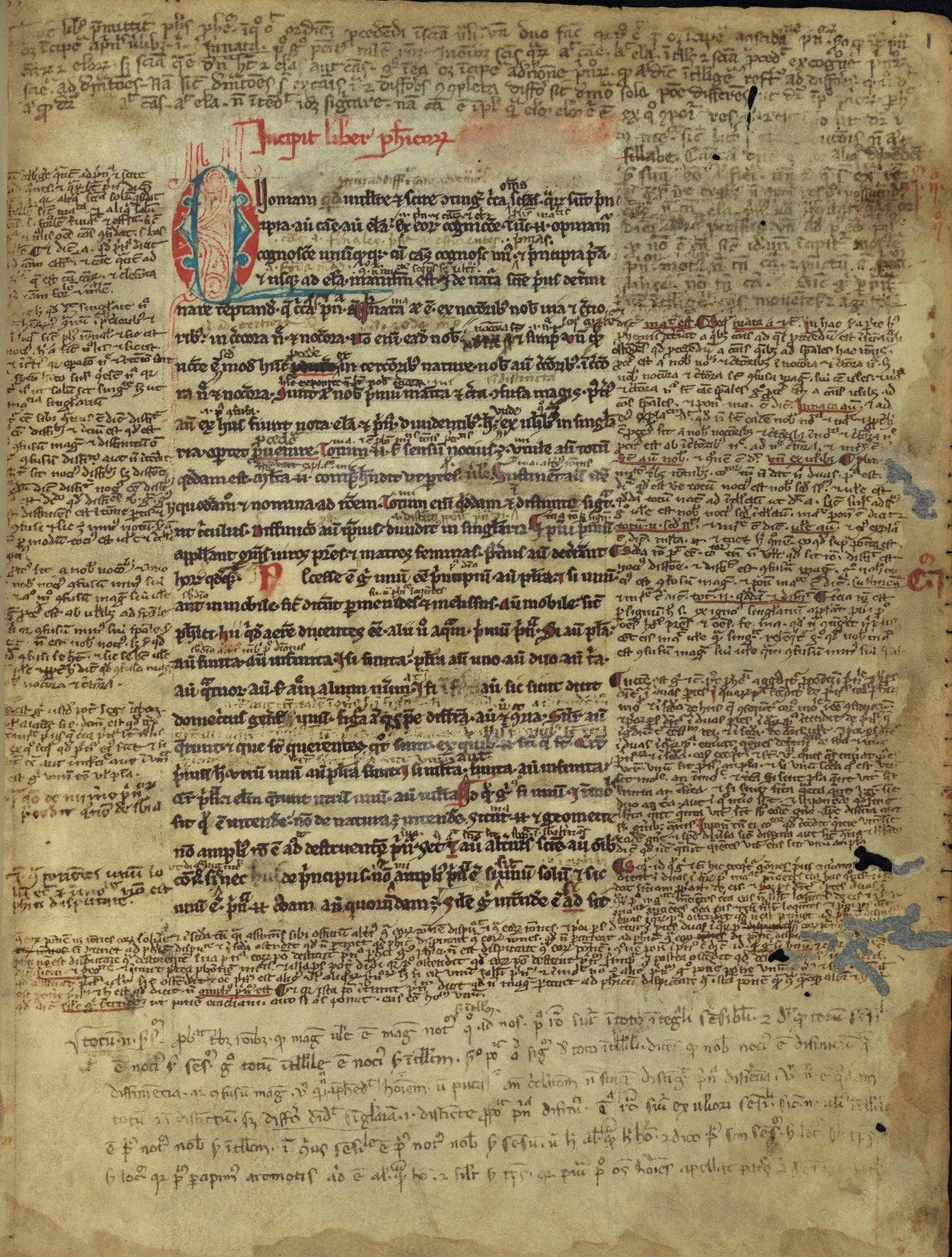
The course provides training in the practical skills of reading and transcribing Latin book hands and thus enabling research into medieval manuscripts from different periods and geographic areas. The course focuses on the reading and transcription of samples of various scripts ranging from the 4th to the 15th centuries, covering the late ancient and medieval period. Each class consists of sight reading (reading without preparation) of digitised manuscript folios, the discussion of the characteristics of the hand, script and abbreviations, and an introduction to the relevant script using powerpoint presentation or white board illustration. The course also includes a systematic overview of the history of script systems and of the various systems of abbreviation, and practical guidance for dating and identifying hands. Knowledge of Latin is useful but not necessary. The class is available both in person and online (real time, fully interactive and held via Zoom).
Textual criticism
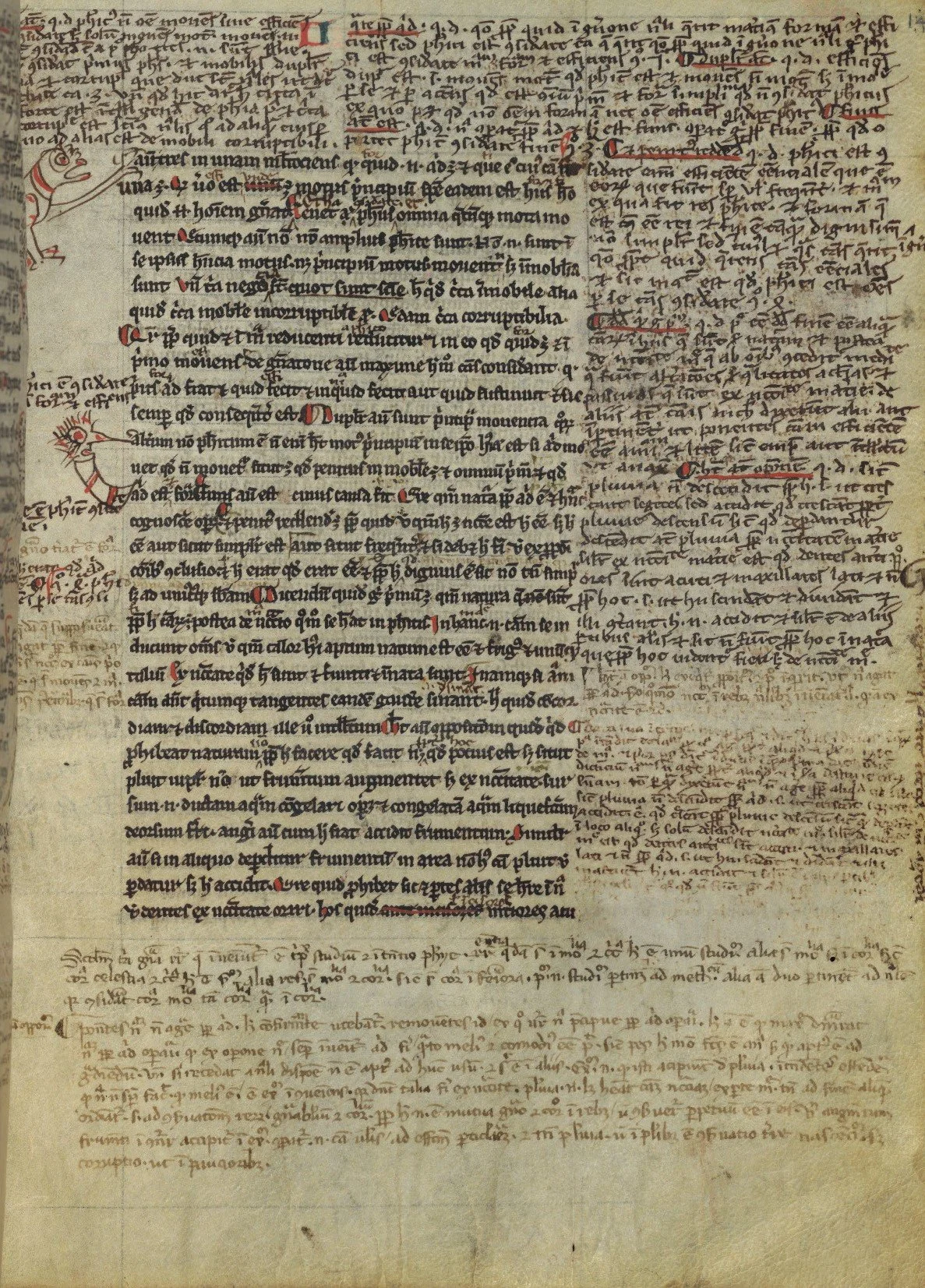
The course provides theoretical background and practical training in producing critical editions and stemma codicum. The practical task is set within the context of the medieval transmission and reception of texts. The course takes the participants through the entire process of textual criticism, starting with the transcription of a brief text from various manuscripts, using digital folio images, through the various steps of creating a critical edition to the construction of the stemma codicum. The course provides brief introductions to codicology and to the transmission and reception of texts from the point of view of textual criticism and discusses the principles and practicalities of editing. The class is available both in person and online (real time, fully interactive and held via Zoom).
Medieval philosophical and scientific manuscripts
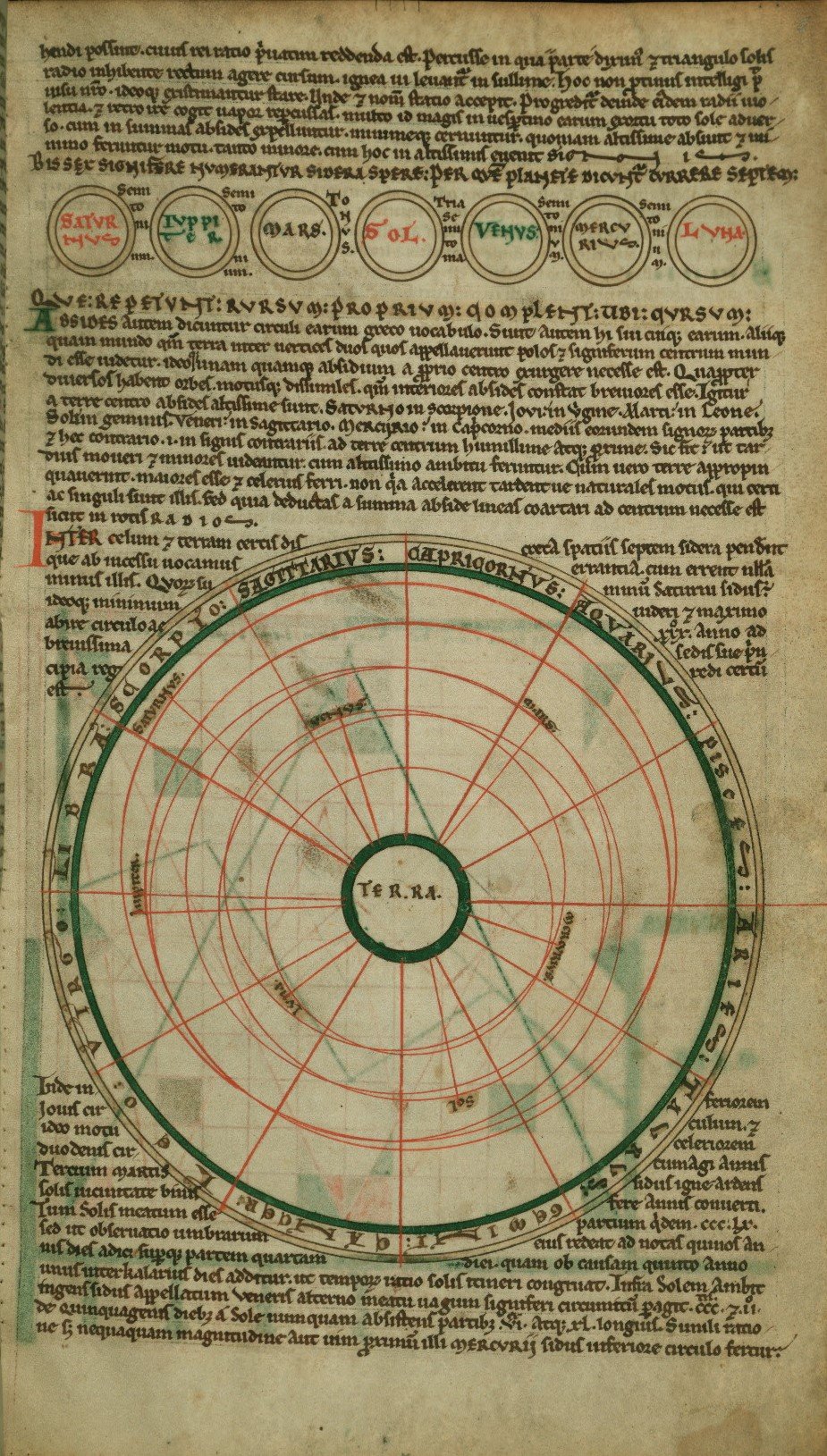
The course explores medieval Western philosophical and scientific manuscripts produced over the span of the 9th to 15th centuries. It examines the role manuscripts played in the creation and shaping of the medieval philosophical and scientific discourse and studies a sample of manuscripts in detail. Manuscripts not only transmitted ancient and medieval texts but provided an interactive physical surface which facilitated intellectual activities such as glossing and visual thinking, and thus served the exchange of ideas. We shall look at the relevant aspects of manuscript production and the details of glossed manuscript folios as they are a visual reflection of the intellectual endeavours that produced them. The course examines by means of digital images the layers of textual and visual interpretation produced by scribes, readers, and annotators and considers the various interpretative attitudes that developed and interacted over time. The class is available both in person and online (real time, fully interactive and held via Zoom).
The Cognitive Elements of Medieval Manuscript Layouts
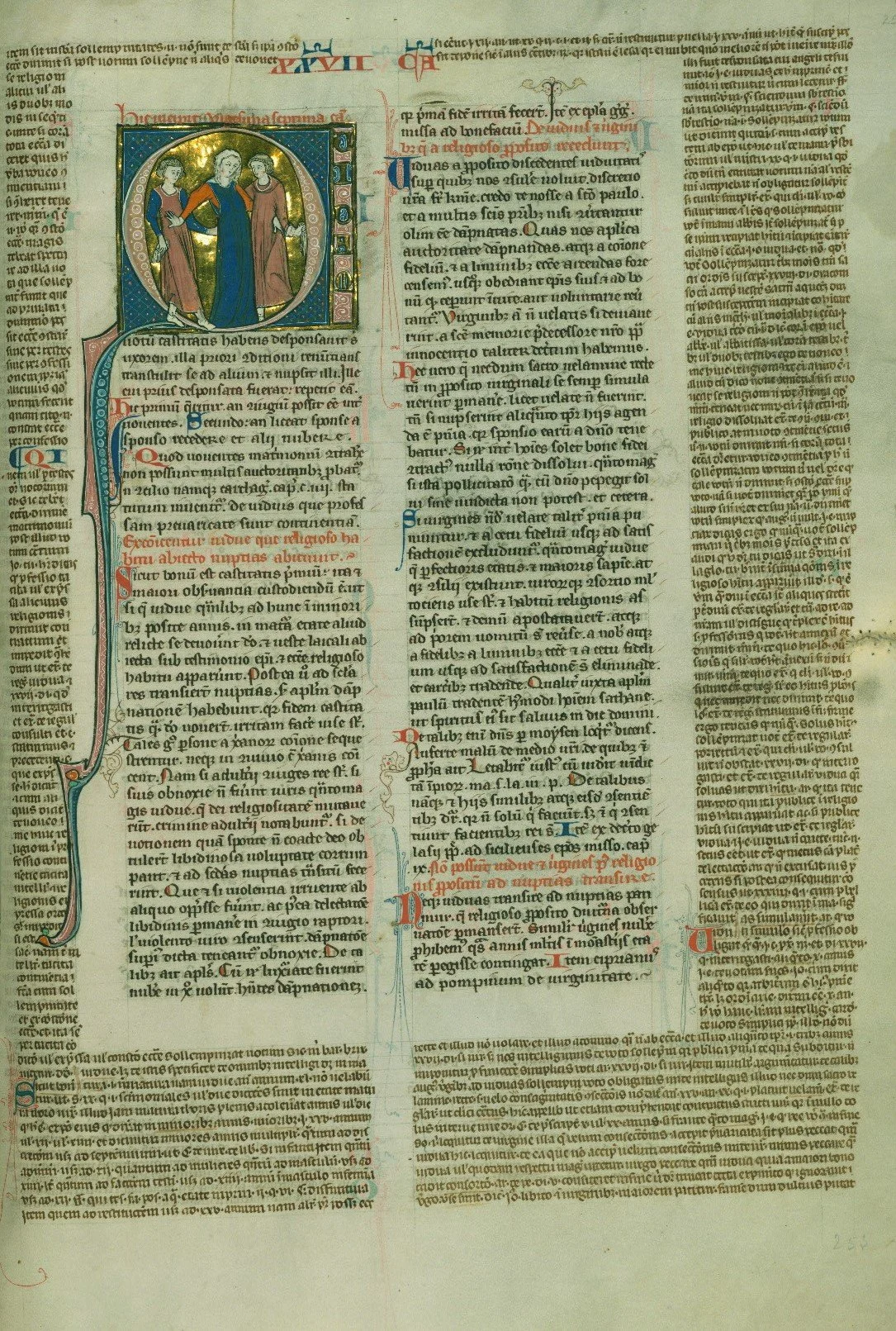
The course explores medieval Western philosophical and scientific manuscripts produced over the span of the 9th to 15th centuries. It examines the role manuscripts played in the creation and shaping of the medieval philosophical and scientific discourse and studies a sample of manuscripts in detail. Manuscripts not only transmitted ancient and medieval texts but provided an interactive physical surface which facilitated intellectual activities such as glossing and visual thinking, and thus served the exchange of ideas. We shall look at the relevant aspects of manuscript production and the details of glossed manuscript folios as they are a visual reflection of the intellectual endeavours that produced them. The course examines by means of digital images the layers of textual and visual interpretation produced by scribes, readers, and annotators and considers the various interpretative attitudes that developed and interacted over time. The class is available both in person and online (real time, fully interactive and held via Zoom). The class is available both in person and online (real time, fully interactive and held via Zoom).
The History of the Book and Writing Systems From Antiquity to the Webpage
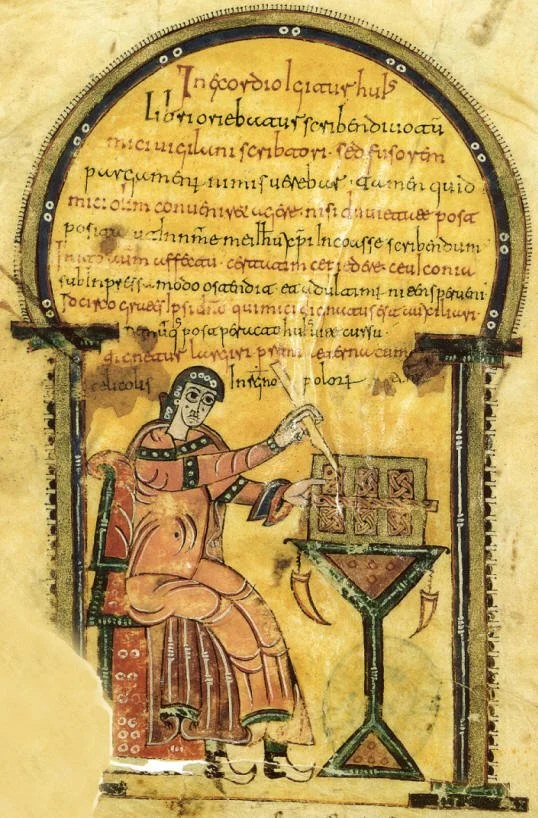
The course considers the history of the book and the various writing systems at three levels. Firstly, it looks at the material component, the different writing surfaces, ranging from stone to tree bark and from papyrus, parchment, and paper to the digital medium, and looks at the techniques used for entering writing and images in the various material and algorithmic environments. Secondly, it follows the history of writing and script systems, native to the various material surfaces, and the designs created by the scribes and other makers of the book and the digital page. Thirdly it studies the connection between the presentation of texts and images, such as the use of layout, typography, graphic design, visual tools, and the cognitive processes they enable, the way in which form and content invite interpretation, thoughts and emotions. The threads and similarities and the contrasts and differences in the presentation of texts and images in the handwritten, printed and digital media are studied throughout these three levels.
Philosophy and Art
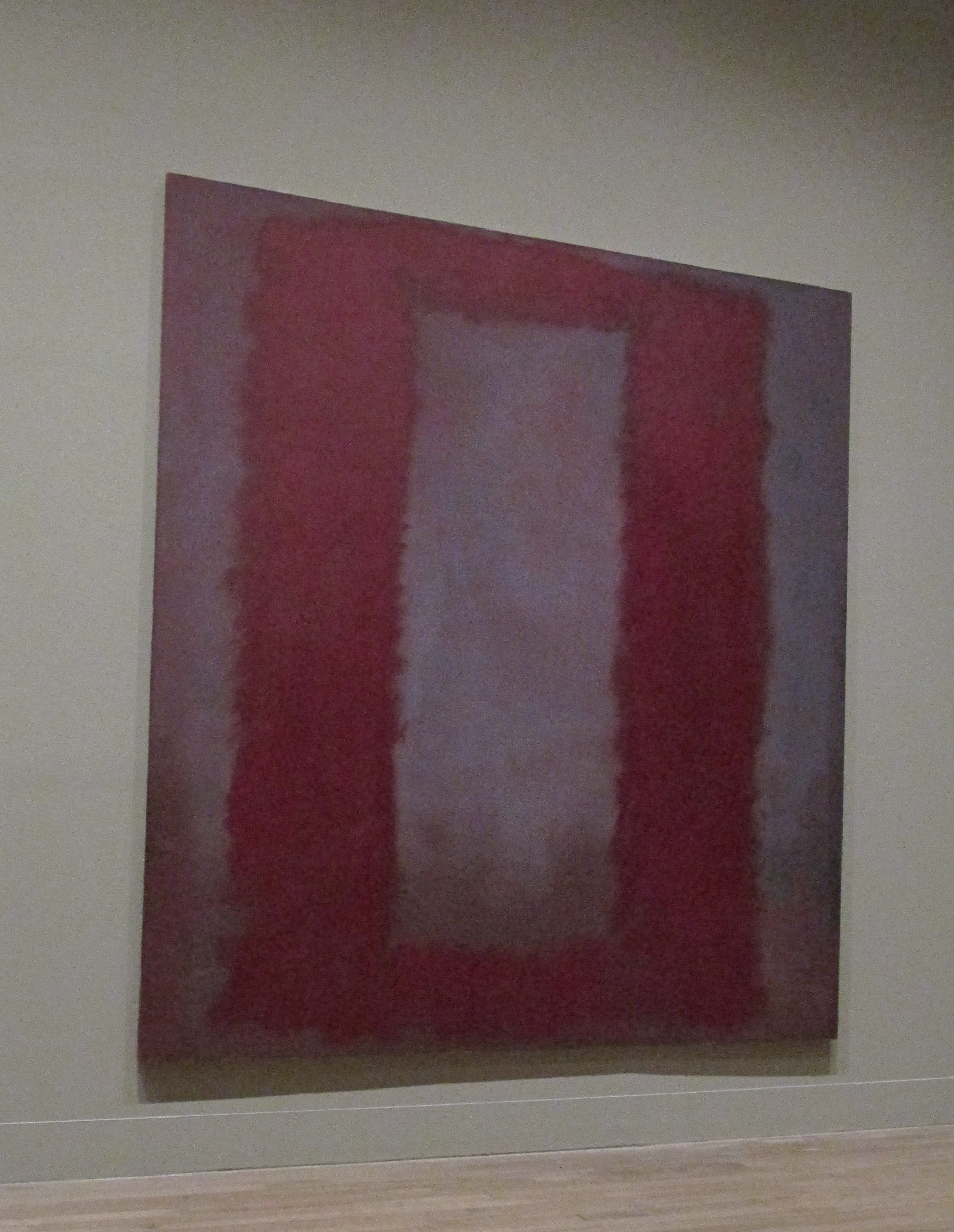
The course is based on reading texts pertaining to the philosophy of art and more broadly to philosophy, and on studying classical and contemporary forms of art. The aim is to better understand motivation, inner voice, model and art, the role of artistic experiments, visual thinking and the concepts of time and space in artistic forms. The course combines an in-depth textual analysis with an imaginative journey around art in general and specific pieces of art in particular. The textual sources range from the antiquity to the present and various artistic movements are looked at and discussed from the points of view surfacing from the reading and the analysis of individual paintings, sculptures, experimental short films and various artistic media. In the centre of the course is the curiosity to understand ourselves, our own art and what motivates us in our artistic journey.
Reading Ancient, Medieval and Renaissance Autobiographies
The course examines the various ways in which, in a most personal manner, individuals in Late Antiquity, the Middle Ages and the Renaissance discovered and revealed themselves through writing. The course looks at autobiographical texts from a broad range of genre and focuses on the close reading and analysis of the selected works. It explores topics such as the role of meditation, solitude, the concept of writing as therapy, the search for a personal or literary voice, the choice of literary forms and the issue of audience. We examine the content, style, language, rhetoric, and structure of the texts, and the circumstances and contexts of their genesis. In the case of authors who pursued other forms of writing as well, we consider how their autobiographical texts relate to and explain their literary, philosophical, or scholarly output. The course is available both in person and online (real time, fully interactive and held via Zoom).
Lectures
Lectures or lecture series within the fields of ancient and medieval manuscript studies and book history are also available onsite in Budapest or online via Zoom, in English and in Hungarian.